
How Laser Rejuvenation Works for Healthier Skin

A change in your skin can feel surprisingly personal: the brown spot that lingers after summer, redness that makes you reach for extra concealer, or texture that no moisturizer seems to smooth. Understanding how laser rejuvenation works can make the decision feel less intimidating. Rather than changing your features, laser treatments use controlled light energy to support clearer-looking, more even skin and encourage the body’s natural renewal process.
At Bliss Med Spa Phoenixville, laser rejuvenation is approached as a personalized skin-care decision, not a one-size-fits-all procedure. The right treatment depends on what you see in the mirror, your skin type and tone, your health history, and how much downtime fits comfortably into your life.
How Laser Rejuvenation Works in the Skin
Laser rejuvenation works by delivering focused light energy into specific targets in the skin. Depending on the laser and the concern being treated, that energy may be drawn to pigment, redness from visible vessels, hair follicles, water in the skin, or the deeper structures that support collagen.
The key word is controlled. The laser is calibrated to create a purposeful response while limiting effects on surrounding tissue. Your body then begins its repair process. Over time, this can include gradual collagen remodeling, more even distribution of pigment, and a smoother surface appearance.
Collagen is a structural protein that helps skin look firm and resilient. Natural collagen production changes with age, sun exposure, inflammation, and lifestyle factors. Some laser treatments create gentle heat beneath the surface, signaling the skin to build and reorganize collagen over time. Others work closer to the surface to address pigment, redness, or texture. This is why results often develop in stages rather than appearing all at once.
Not Every Laser Does the Same Job
“Laser rejuvenation” is a broad term, and the technology matters. Some treatments are non-ablative, meaning they heat targeted areas without removing the outer layer of skin. These options can be a fit for clients seeking gradual improvement with little to no social downtime.
Ablative resurfacing treatments intentionally remove a controlled amount of surface skin. They can be appropriate for certain texture concerns and more noticeable signs of sun damage, but typically involve a longer recovery period. There are also laser and light-based technologies designed specifically for concerns such as unwanted hair, visible facial veins, redness, or uneven pigment.
At Bliss Med Spa, Aerolase laser technology may be considered for a range of skin concerns. During a consultation, a qualified provider can explain whether laser treatment, microneedling, a peel, a custom facial, or a combination plan makes the most sense for your goals. The best option is not automatically the most intensive one.
What Laser Rejuvenation May Help Address
Laser rejuvenation is often considered when skin looks uneven rather than simply dry or tired. Depending on the device and treatment plan, it may help improve the appearance of sun-related discoloration, brown spots, redness, visible small vessels, acne-related concerns, enlarged-looking pores, uneven texture, and early laxity.
It can also be useful for people who want to refresh their complexion without injectables or surgery. That said, lasers do not replace every aesthetic treatment. A laser can improve surface quality and support collagen, but it does not restore significant facial volume in the way a dermal filler may. Likewise, deep wrinkles, pronounced laxity, active inflammatory skin conditions, and certain scars may require another approach or a carefully sequenced combination plan.
Melasma deserves particular care. Because it is a complex pigment condition that can be affected by heat, hormones, and sun exposure, laser treatment is not automatically the right first step. A provider will consider your skin history and may recommend a skin-care routine or other treatments first. Thoughtful treatment planning helps protect progress rather than chasing a quick fix.
What a Laser Rejuvenation Appointment Feels Like
Before treatment, your provider will review your concerns, relevant health information, current skin-care products, recent sun exposure, and any history of pigmentation changes or sensitivity. This conversation is a safety step as much as a planning step. It allows your provider to select appropriate settings and give clear preparation guidance.
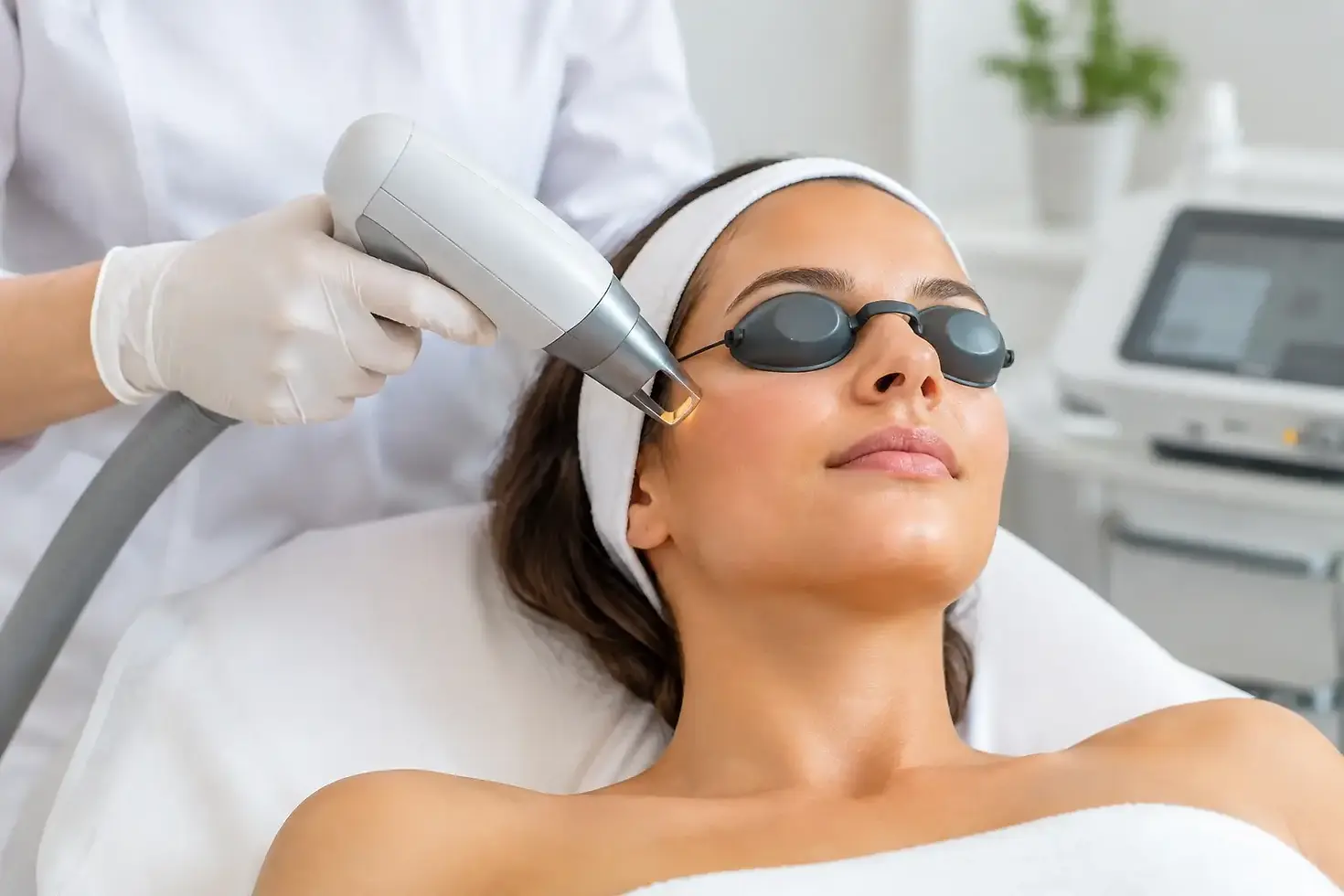
On treatment day, your skin is cleansed and protective eyewear is used. Sensation varies by device and treatment area. Many clients describe a brief warmth, a light snapping feeling, or a quick series of tiny pulses. Some treatments are very tolerable without numbing, while others may call for additional comfort measures. Your provider will explain what to expect before beginning and check in with you throughout the visit.
A session can be relatively quick, but it should never feel rushed. Careful technique and correct treatment selection matter more than speed.
What Happens After Treatment
After laser rejuvenation, the skin may look mildly pink or feel warm, similar to a light sunburn. Depending on the type of treatment, you may also experience temporary swelling, dryness, darkening of treated pigment before it fades, or light flaking. These effects are often part of the normal healing response, but your provider should tell you what is expected for your specific treatment and when to contact the practice.
The most useful aftercare is usually simple: protect the skin from the sun, use the products recommended by your provider, avoid picking or exfoliating healing skin, and give your complexion time to settle. Sun protection is especially important. New sun exposure can worsen pigmentation and make it harder to maintain the even tone you are working toward.
Recovery varies considerably. Some treatments allow you to return to regular activities the same day, while others may involve several days of visible redness or peeling. If you are planning around a wedding, vacation, photos, or a major event, build in more time than you think you need. Skin does not follow a party schedule.
When Will You See Results?
Pigment and redness may begin to look different relatively soon after certain treatments, while collagen-focused improvements tend to appear gradually over several weeks or months. This timeline reflects the biology of skin remodeling, not a lack of effectiveness.
Many people benefit from a series of treatments, especially when addressing long-standing discoloration, acne-related texture, or generalized signs of photoaging. The number and spacing of sessions depend on the technology used, the concern being treated, your response, and your goals. Maintenance can also be part of a long-term plan, along with consistent medical-grade skin care and sunscreen.
Results are influenced by everyday factors, too. Sun habits, smoking, stress, sleep, hormones, and how consistently you care for your skin can all affect how your complexion looks over time. A laser treatment can be a meaningful part of your routine, but it works best as part of broader, realistic skin care.
Is Laser Rejuvenation Right for You?
A consultation is particularly valuable if you have a deeper skin tone, a history of hyperpigmentation, recurring cold sores, active acne, recent tanning, or use prescription skin treatments. These factors do not automatically rule out laser care, but they can influence the safest treatment choice and timing.
You may also decide that a gentler facial, Hydrafacial, VI Peel, SkinPen microneedling, or another advanced treatment better matches your goals and schedule. Good aesthetic care is not about fitting every concern into one device. It is about choosing a plan that respects your skin and feels manageable in real life.
If you are curious about laser rejuvenation, a consultation at Bliss Med Spa Phoenixville can give you a clear place to start. You can bring your questions, describe what has been bothering you, and learn which options may fit your skin, comfort level, and desired timeline. The goal is not to erase every sign of life from your face, but to help your skin look cared for, healthy, and more like you.


Comments