
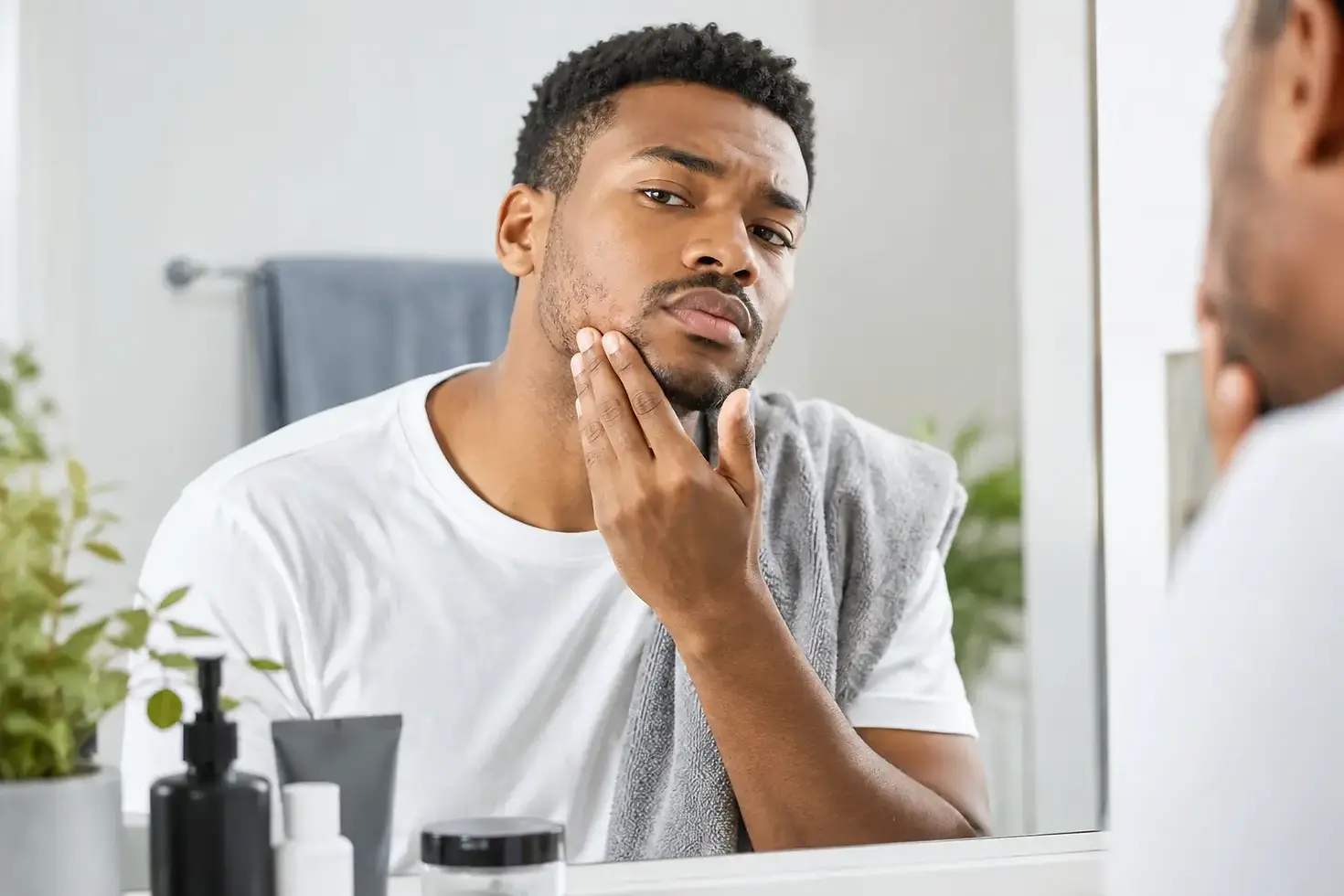
How to Manage Razor Bumps Without Overdoing It
Razor bumps have a frustrating way of showing up just when you want skin to look smooth - after shaving your face, underarms, bikini line, or legs. If you are wondering how to manage razor bumps, the most helpful place to start is understanding that more aggressive exfoliation or closer shaving is rarely the answer. Calmer, more intentional care usually gives skin the best chance to recover.
Often called pseudofolliculitis barbae, razor bumps occur when a hair curls or grows back into the skin after removal. Your body treats that trapped hair as an irritant, which can lead to raised bumps, redness, tenderness, itching, and sometimes dark marks that linger after the bump settles. They can affect anyone, but they are especially common in people with coarse, curly, or tightly coiled hair.
Why Razor Bumps Keep Coming Back
The shaving method matters, but so do your skin, hair pattern, and the area being shaved. A very close shave cuts the hair at a sharp angle. As it grows out, that pointed end may curve into the surrounding skin instead of emerging through the follicle opening.
Shaving dry, using a dull blade, pulling skin taut, or making repeated passes over the same area can all raise the odds of irritation. Fragranced products, heavy occlusive products, sweat, and friction from tight clothing can keep an already-sensitive follicle inflamed. In the bikini area, for example, even a careful shave can be followed by rubbing from fitted underwear or workout clothes.
It is also worth separating razor bumps from other concerns that can look similar. Folliculitis is inflammation of the hair follicle that may involve bacteria or yeast. Acne, contact dermatitis, cysts, and certain sexually transmitted infections can also cause bumps in hair-bearing areas. A pattern of painful, pus-filled, spreading, or recurrent bumps deserves professional evaluation rather than repeated at-home experimentation.
How to Manage Razor Bumps Gently
When bumps are active, the goal is to reduce inflammation and avoid creating new ingrown hairs. Put down the razor until the area is no longer tender or visibly irritated, if you can. Continuing to shave over raised bumps can prolong healing and increase the chance of post-inflammatory hyperpigmentation, particularly in deeper skin tones.
Use lukewarm water and a mild, fragrance-free cleanser. Hot water and vigorous scrubbing may feel cleansing in the moment, but they can weaken the skin barrier and make stinging worse. Pat the skin dry instead of rubbing it with a towel, then apply a simple, non-irritating moisturizer to support recovery.
A warm compress can help soften the skin and ease discomfort. Avoid digging at a visible hair with tweezers or needles. Even when a trapped hair seems easy to reach, picking can introduce bacteria, cause a scab, and leave a longer-lasting mark.
Gentle chemical exfoliation can be useful once the skin is no longer raw or highly inflamed. Products containing salicylic acid may help keep pores and follicle openings clearer, while glycolic or lactic acid can support more even shedding of surface skin cells. These ingredients are not right for every person or every body area, and using too much too often can trigger more dryness and redness.
Start slowly, use one active product at a time, and do not apply exfoliating acids immediately after shaving. If your skin burns, peels, or becomes increasingly itchy, take a break and return to a bland moisturizer. The aim is consistency, not intensity.
Treat Dark Marks With Patience
For many people, the bump itself fades before the discoloration it leaves behind. These marks are a normal response to inflammation, not a sign that you did anything wrong. Daily broad-spectrum sunscreen on exposed areas, including the face and neck, helps prevent marks from becoming darker and helps the skin tone look more even over time.
Avoid stacking harsh scrubs, strong acids, and multiple brightening products in an effort to speed things along. A customized skin care plan can be particularly helpful when razor bumps and uneven tone are happening together, because treatments that are too aggressive can worsen both irritation and pigmentation.
Better Shaving Habits for Fewer Bumps
Once the area has settled, a few practical changes can make a meaningful difference. Start with clean skin and a clean razor. If you use a multi-blade cartridge, replace it regularly. Dull blades tug at hair rather than cutting cleanly, and buildup on a razor can add unnecessary irritation.
Soften hair first with warm water and use a lubricating shave gel or cream. Shave in the direction the hair grows, using light pressure and short strokes. Rinse the blade frequently, but resist the temptation to go back over the same section repeatedly for an ultra-close result. For those prone to razor bumps, a slightly less close shave is often a worthwhile trade-off for calmer skin.
Do not stretch the skin while shaving. It can make the result feel smoother immediately, but it may also allow the freshly cut hair to retract below the surface, making ingrowns more likely as it grows back. Rinse afterward with cool or lukewarm water, pat dry, and apply a gentle moisturizer.
If shaving is a frequent trigger, consider changing the tool rather than simply changing products. An electric trimmer that leaves a small amount of length may be a better option for facial hair or other sensitive areas. Some people also find that shaving less often gives the skin time to recover. The right routine depends on your hair texture, how closely you prefer to groom, and how reactive your skin tends to be.
When Hair Removal Alternatives May Help
Waxing, sugaring, depilatory creams, and epilators are not automatic solutions for razor bumps. Each removes hair differently, and each can irritate sensitive skin or contribute to ingrowns for some people. Patch testing and professional guidance are wise if you have a history of reactions, eczema, pigment changes, or frequent ingrown hairs.
For people tired of planning their skin around shaving, laser hair removal can be a useful longer-term option. By reducing hair growth over a series of treatments, it may reduce the repeated shaving that contributes to bumps. It is not a one-size-fits-all service: the best technology, settings, and treatment schedule depend on your skin tone, hair color, hair texture, and treatment area.
A consultation is especially valuable for clients with melanin-rich skin, active irritation, or a history of dark marks after inflammation. An experienced provider can discuss whether laser hair removal is appropriate now, whether the skin needs time to calm first, and how to prepare and care for the treatment area.
Signs You Should Seek Professional Care
A small cluster of mild bumps that improves with a shaving break and gentle care is often manageable at home. It is time to check in with a qualified medical professional if bumps are very painful, warm, draining, spreading, or accompanied by fever. You should also seek guidance if you notice scarring, frequent discoloration, deep cyst-like bumps, or no improvement after changing your routine for several weeks.
For persistent facial or body irritation, a skin consultation can help sort out whether you are dealing with razor bumps, acne, folliculitis, product sensitivity, or a combination. At Bliss Med Spa Phoenixville, a consultation can also be a comfortable place to discuss skin-supporting options and hair-removal goals without guessing which trend or product your skin needs.
Your skin does not need punishment to look cared for. A gentler shave, fewer competing products, and timely professional support can turn a cycle of irritation into a routine that feels much easier to maintain.


Comments