.png)
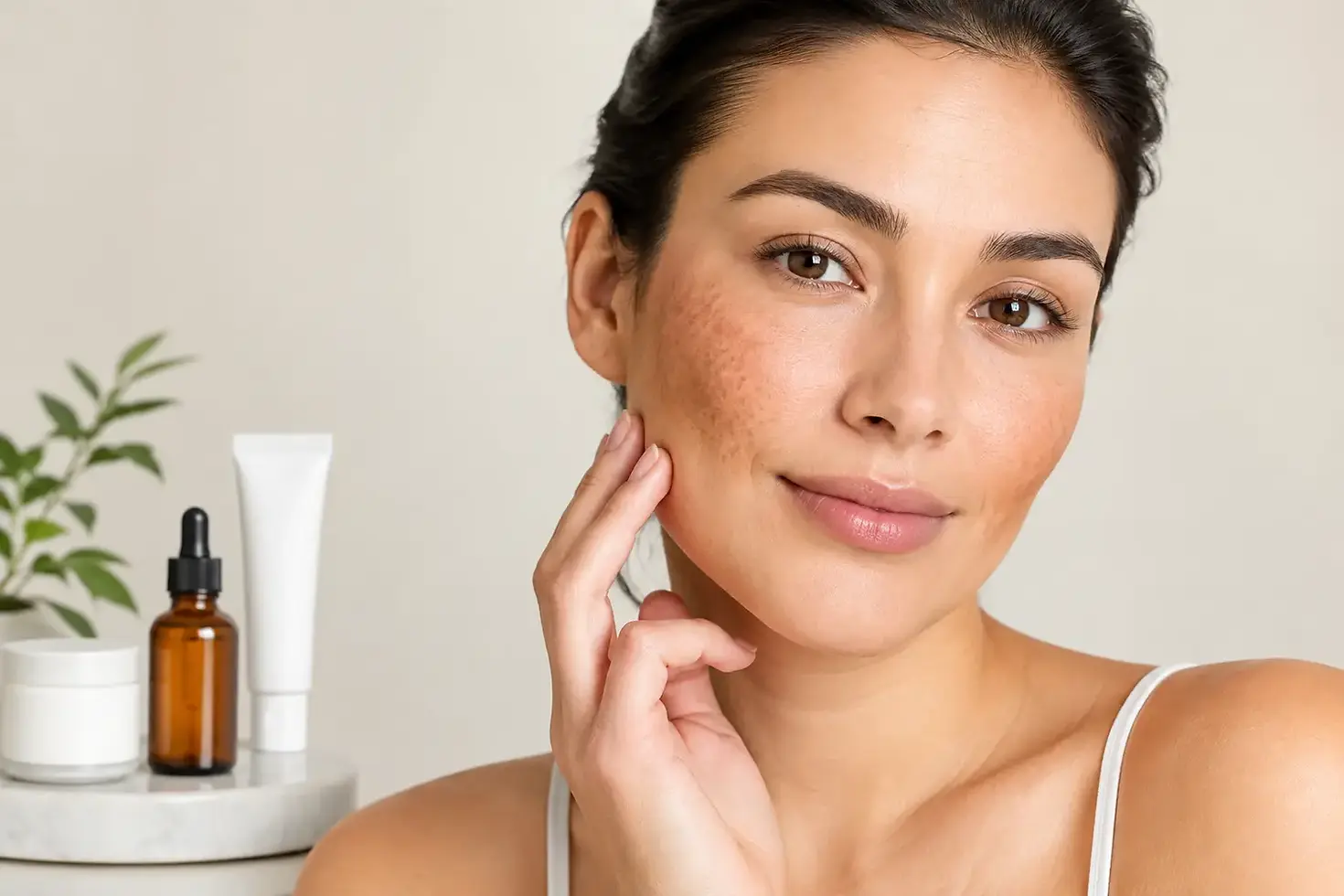
Pigmentation Treatment Guide for More Even Skin

A dark spot that lingers long after a breakout is gone can feel just as frustrating as the breakout itself. Sun spots may seem to appear overnight after years of outdoor time, while melasma can deepen despite a thoughtful skincare routine. This pigmentation treatment guide explains why discoloration happens, which options may help, and why the best plan starts with identifying the type of pigment you are treating.
Why Pigmentation Is Not One Skin Concern
Pigmentation is the skin’s production of melanin, the natural pigment that contributes to skin color. Melanin is protective, but it can become unevenly distributed after sun exposure, inflammation, hormonal shifts, heat, or injury to the skin. The result may be freckles, sun spots, post-acne marks, melasma, or a generally uneven-looking complexion.
These concerns can look similar in a mirror, but they do not always respond to the same approach. A spot caused by a healed blemish may improve with gradual exfoliation and a consistent home routine. Melasma, which often appears as symmetrical patches on the cheeks, forehead, or upper lip, can be more reactive. Heat, visible light, hormones, and irritation may all play a role, so an overly aggressive treatment can sometimes make it look more noticeable.
That distinction matters. Treating every form of discoloration as a simple “dark spot” can lead to disappointment, unnecessary irritation, or a plan that does not fit your skin’s needs.
The First Step in a Pigmentation Treatment Guide: Assessment
A consultation is the right place to begin, especially when pigment has changed quickly, looks irregular, or has not been evaluated before. A qualified provider can assess the pattern, depth, skin tone, current products, history of acne or sensitivity, sun habits, and any recent changes that may be contributing to discoloration. For spots that are new, changing, raised, bleeding, or otherwise concerning, a medical evaluation is essential before any cosmetic treatment.
At Bliss Med Spa Phoenixville, a customized consultation also helps set realistic expectations. Some pigment sits closer to the skin’s surface and may respond relatively quickly. Other discoloration is deeper or triggered by ongoing factors, which means improvement is often gradual and maintenance may be part of the plan.
Your provider may also recommend pausing certain active products before a procedure or adjusting your routine afterward. This is not about making skincare complicated. It is about protecting the skin barrier while pursuing a more even tone.
Build the Foundation Before Adding Procedures
Professional treatments can be meaningful, but they are not a substitute for daily protection. If UV exposure continues to stimulate melanin, pigment often returns or becomes harder to manage. The most effective plans usually pair in-office care with consistent habits at home.
Broad-spectrum sunscreen is the non-negotiable starting point. Apply it every morning, use enough to cover the face and exposed areas, and reapply when you are outdoors or near sustained window light. For melasma or visible discoloration, a tinted sunscreen with iron oxides may be especially worth discussing because visible light can be a trigger for some people.
A supportive home routine should be calm and sustainable. Gentle cleansing, moisturizer, and carefully selected brightening or cell-turnover ingredients can help, but more is not always better. Combining multiple strong exfoliants, retinoids, or spot treatments without guidance can cause irritation. For skin prone to post-inflammatory hyperpigmentation, that irritation itself can lead to more discoloration.
Consistency tends to matter more than chasing every new product. A plan you can follow for several months is more valuable than an intense routine that leaves your skin uncomfortable after two weeks.
Professional Options for Uneven Tone
The right treatment depends on the cause of discoloration, your skin’s sensitivity, your goals, and the amount of downtime you can accommodate. These options are often used individually or in a thoughtful series rather than as a one-time fix.
Custom Facials and Hydrafacial Treatments
For mild dullness, congestion, and superficial uneven tone, a custom facial or Hydrafacial can support skin health without significant downtime. These treatments cleanse, exfoliate, and hydrate while allowing your provider to tailor the experience to current concerns. They may be a helpful entry point for someone new to professional skincare or a maintenance option between more intensive treatments.
They are not designed to erase established melasma or deeper sun damage on their own. Their strength is improving overall skin condition, which can make the complexion look fresher and help prepare the skin for a larger treatment plan.
VI Peels and Skin Resurfacing
Chemical peels and other resurfacing approaches encourage the shedding of damaged surface cells and support a smoother, brighter appearance over time. A VI Peel may be considered for concerns such as acne-related marks, uneven texture, and certain types of surface-level discoloration.
Peels require good timing and good aftercare. Your skin may peel visibly, feel dry, or be more sensitive for several days. Sun protection and a gentle post-treatment routine are particularly important. The ideal peel strength and schedule vary widely, and deeper is not automatically better, especially for reactive skin or melasma-prone complexions.
SkinPen Microneedling
SkinPen microneedling creates controlled microchannels in the skin to support collagen production and improve concerns such as texture, acne scarring, and uneven tone. As the skin renews itself, some clients notice a more refined, even-looking complexion.
Microneedling can be part of a pigment-focused plan, but it should be approached carefully in anyone with active inflammation, frequent breakouts, or a history of discoloration after irritation. At Bliss Med Spa, PRP is offered only in conjunction with microneedling when it is appropriate for the individual treatment plan.
Aerolase Laser Treatments
Laser technology can target certain pigment concerns with precision, and Aerolase treatments may be an option for sun-related discoloration, redness, acne concerns, and overall skin rejuvenation. The appeal of a laser is understandable, but it is not a universal answer. Results depend on the type and depth of pigment, skin tone, current sun exposure, and the skin’s tendency to react.
For melasma, lasers can be helpful for some people and less appropriate for others. Because melasma is often driven by more than visible pigment alone, a cautious strategy that prioritizes skin stability and maintenance may be preferable. A provider should help weigh the potential benefit against the possibility of rebound pigmentation.
What Results Usually Require
Pigment rarely behaves on a strict calendar. Some people see early brightening after a facial, peel, or laser session, while more established discoloration can take a series of treatments and months of consistent home care to improve. Your skin cycle, the cause of the pigmentation, and how reliably you protect your skin all influence the timeline.
It is also common for results to be uneven at first. A dark spot may fade while surrounding tone takes longer to improve. Melasma may soften, then become more visible during summer, pregnancy, hormonal changes, or periods of increased heat exposure. These shifts do not necessarily mean a plan has failed. They may signal that the maintenance phase needs adjustment.
Photos taken in similar lighting can be more useful than daily mirror checks. Pigment changes gradually, and familiar faces are often the hardest to assess objectively.
Avoid the Temptation to Overcorrect
When discoloration is emotionally frustrating, it is understandable to want the strongest option available. But skin often responds best to measured, well-timed care. Picking at blemishes, using harsh scrubs, layering multiple acids, or receiving frequent treatments without adequate recovery can compromise the skin barrier and prolong the very concern you are trying to address.
The same is true of treating a spot without understanding it. Pigmentation can have many causes, and cosmetic care should be personalized rather than copied from a social media routine or a friend’s experience. Your skin tone, history, lifestyle, and tolerance for downtime all deserve a place in the decision.
When to Book a Consultation
Consider booking a consultation if your discoloration is persistent, your acne marks do not seem to fade, you suspect melasma, or you are unsure whether a peel, microneedling, or laser treatment is the right next step. Bring the products you currently use or photos of them, and be ready to share what has helped, what has irritated your skin, and what kind of change you hope to see.
A thoughtful pigmentation plan is not about chasing perfectly uniform skin. It is about giving your skin consistent support, choosing treatments with care, and feeling more comfortable in the complexion you have. A consultation can provide the clarity to move forward at a pace that feels right for you.


Comments